October 27, 2026
The body content of your post goes here. To edit this text, click on it and delete this default text and start typing your own or paste your own from a different source.
Choosing the right auto body shop can make a major difference in a vehicle's safety, appearance, and long-term value. From minor dents to extensive collision damage, professional repairs help restore a vehicle and address problems that may affect its performance. Understanding what to look for makes it easier to compare options, evaluate estimates, and feel confident about the work being performed.
1. Understanding Different Types of Auto Body Shops
Independent and Franchise Shops
Independent auto body shops often provide personalized service, flexible communication, and direct relationships with repair professionals. Pricing and available services vary, so customers should evaluate each shop's experience, equipment, and reputation.
Franchise locations typically follow standardized procedures and training requirements. Some offer nationwide warranties or established repair networks, which can benefit customers who travel frequently. Comparing services, warranties, and customer support helps drivers determine which option fits their needs.
Dealership and Specialty Shops
Dealership body shops may specialize in particular vehicle manufacturers and offer brand-specific repair information, equipment, and original equipment manufacturer (OEM) parts. These resources can benefit newer vehicles with advanced safety systems, although costs may be higher.
Specialty shops focus on particular vehicles or repair techniques, such as classic car restoration or luxury vehicle refinishing. Their experience can be valuable for unusual repair needs. Drivers should confirm that a specialty provider has the equipment and qualifications required for the project.
2. Evaluating Reputation and Repair Experience
Reviewing Customer Feedback
Online reviews offer insight into how auto body shops handle communication, repair quality, scheduling, and customer concerns. Reading feedback across multiple platforms can reveal recurring strengths or problems. Pay particular attention to comments about completed repairs, unexpected charges, and how the business responds when something goes wrong.
Recommendations from friends, family members, and coworkers can also help identify dependable providers. Personal experiences may reveal details about service and follow-up support that online ratings overlook. Combining recommendations with independent research provides a balanced understanding of a shop's reputation.
Checking Qualifications and Experience
Industry certifications can demonstrate a commitment to professional training and established repair standards. Credentials from organizations such as I-CAR or Automotive Service Excellence (ASE) may indicate relevant technical knowledge. Customers should ask which technicians hold applicable certifications and whether training keeps pace with changing vehicle technology.
Experience is another consideration, particularly when a vehicle has extensive collision damage or complex electronic systems. A long operating history can indicate stability, but it should not replace an assessment of current workmanship and customer service. Checking complaint histories can provide additional perspective.
3. Comparing Estimates and Repair Costs
Requesting Detailed Estimates
Obtaining estimates from multiple auto body shops helps drivers understand the likely cost and scope of repairs. Different providers may recommend different procedures, parts, or labor hours, making it important to compare more than the final price. A substantially lower estimate deserves scrutiny if it excludes essential repairs or relies on unclear assumptions.
A written estimate should identify expected labor, replacement parts, paint materials, and additional charges where applicable. Drivers should ask about unfamiliar line items and clarify whether costs may change after technicians inspect concealed damage. Written approval for additional work can prevent unexpected expenses.
Understanding Insurance and Additional Charges
Insurance coverage can influence repair costs, particularly when collision damage is involved. Policyholders should review deductibles, coverage limits, and relevant restrictions before authorizing work. Although an insurer may recommend a repair network, customers should understand their options and applicable policy requirements.
Some damage becomes visible only after technicians remove panels or other components. Ask how the shop communicates revised estimates and obtains approval for additional work. Discussing these possibilities in advance helps drivers budget realistically.
Price comparisons should also account for warranty coverage, parts quality, and the completeness of proposed repairs. Choosing the cheapest option may not provide the best value if important procedures are omitted or the finished work requires correction.
4. Assessing Parts, Materials, and Safety
Comparing Replacement Parts
OEM parts are produced to vehicle manufacturer specifications and may offer predictable fit and compatibility. Aftermarket parts can provide more affordable alternatives, but their quality and suitability vary. Recycled original parts may also be appropriate for certain repairs, depending on their condition and the vehicle's requirements.
Drivers should ask which parts the shop plans to use and whether insurance affects those choices. Understanding the differences between available components makes it easier to balance cost, compatibility, and repair objectives.
Evaluating Paint Quality and Structural Repairs
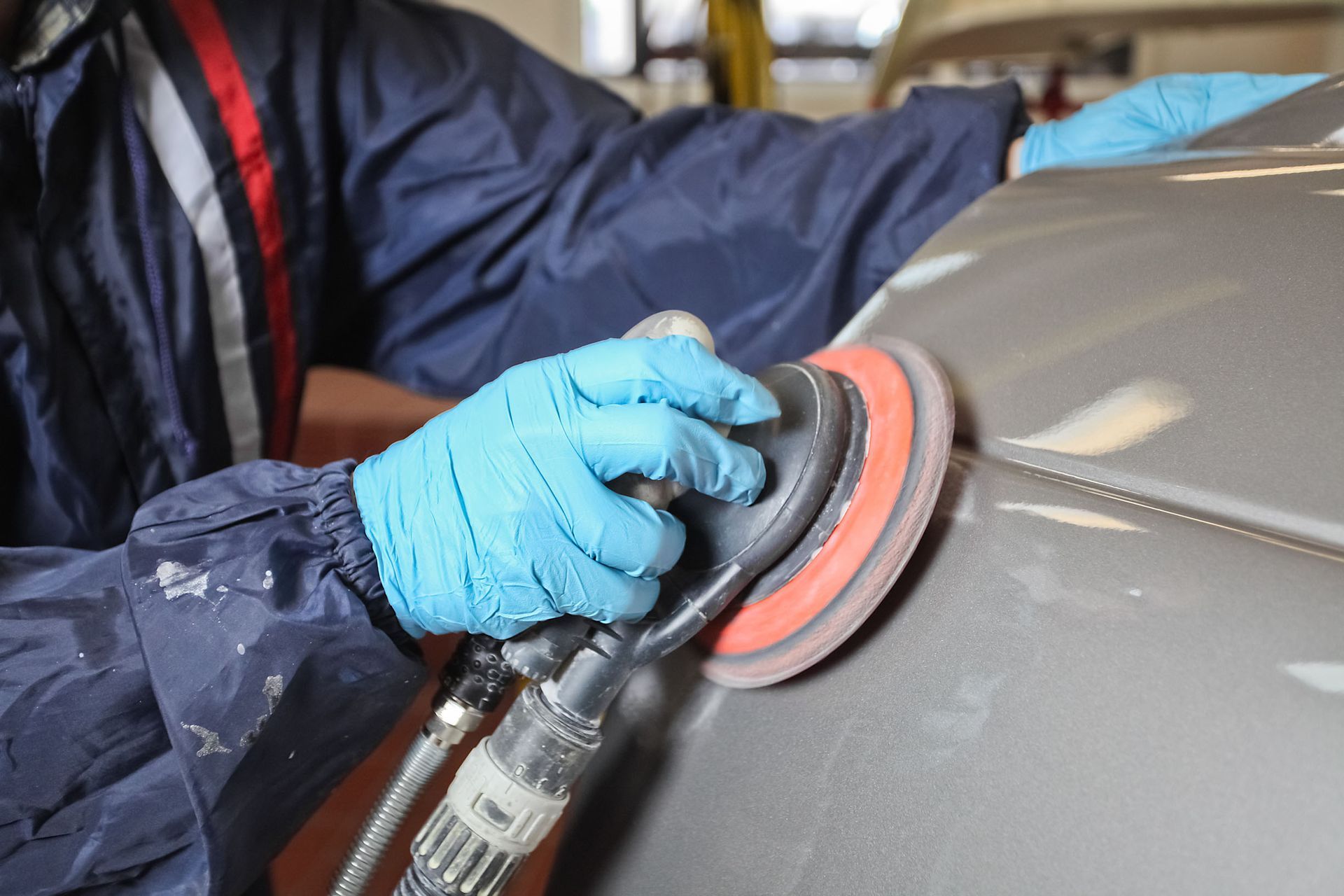
Paint and finishing materials influence a vehicle's appearance and resistance to environmental exposure. Skilled technicians use appropriate preparation methods, color-matching processes, and finishing techniques to help repaired areas blend with surrounding panels. Asking about the products and procedures used clarifies what to expect.
Structural repairs deserve particular attention because they can affect occupant protection during another collision. Modern vehicles may incorporate specialized metals, crumple zones, sensors, and advanced driver assistance systems. Repairs must follow appropriate procedures, including required inspections and system calibrations. Cosmetic improvements alone cannot confirm that a damaged vehicle has been restored safely.
Environmental practices may also matter. Some facilities use waterborne paints, lower-emission products, and recycling procedures to reduce waste while maintaining appropriate finishing standards.
5. Understanding the Repair Process and Timeline
Inspecting Damage and Planning Repairs
The repair process begins with a damage assessment that identifies visible problems and determines whether additional inspection is necessary. Technicians prepare a repair plan based on the vehicle's condition, manufacturer guidance, and required parts or procedures. Initial estimates may change when disassembly reveals hidden damage.
Reliable auto body shops explain significant changes in repair scope, cost, or timing before proceeding. Customers should receive clear updates and an opportunity to review revised estimates. This communication helps everyone understand the project's priorities and expected outcome.
Completing Repairs and Final Inspections
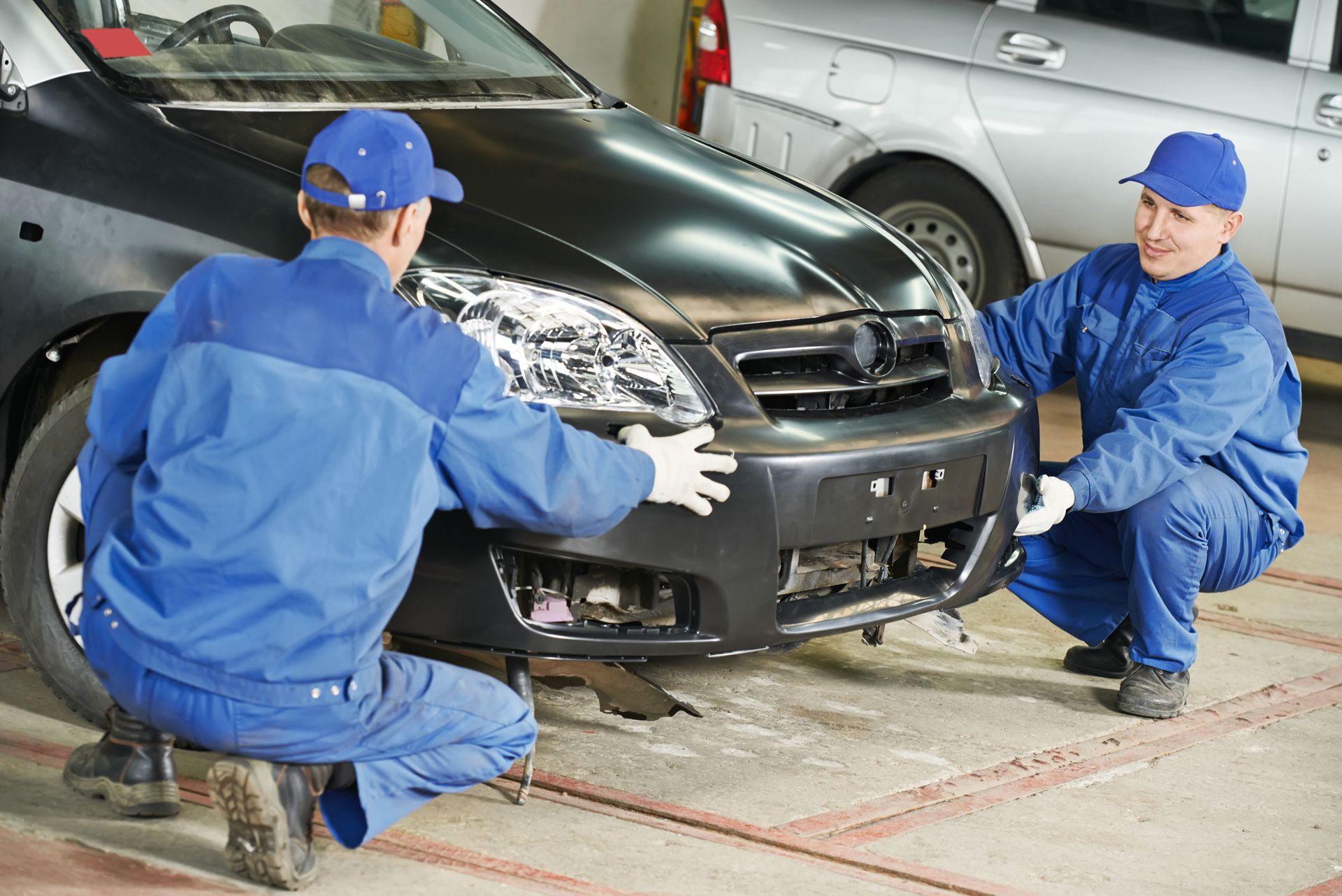
Depending on the damage, repairs may involve panel replacement, structural correction, dent removal, refinishing, and component reinstallation. Technicians should follow appropriate procedures and verify that affected systems operate correctly. Paintwork and finishing follow necessary body repairs, with attention to color consistency and surface quality.
Before delivery, a final inspection should assess workmanship, panel alignment, paint finish, and relevant safety systems. Drivers can ask which quality checks were completed and whether required calibrations were performed. A clear explanation of the finished work provides greater confidence in the vehicle's condition.
Repair timelines depend on damage severity, parts availability, technician schedules, and insurance approvals. Ask for a realistic estimate and regular progress updates rather than relying on a guaranteed completion date before inspection.
6. Reviewing Warranties and Maintaining Repairs
Confirming Warranty Coverage
Before collecting a repaired vehicle, ask for written details about the repair warranty. Coverage may differ for paintwork, replacement parts, labor, and workmanship. Customers should understand the warranty period, exclusions, and process for reporting concerns. Keeping estimates, invoices, and warranty documents together makes it easier to address potential issues.
Drivers should clarify whether follow-up inspections are recommended and how to arrange them. Clear communication about completed work and available support can make the post-repair experience less stressful.
Inspecting and Caring for the Vehicle
Inspect the vehicle before leaving the facility, checking paint consistency, panel gaps, trim, lights, and other repaired areas. Ask staff to explain unfamiliar features or warning indicators. If something appears incorrect, raise the concern promptly so the shop can determine whether further attention is necessary.
Follow the technician's instructions for washing, waxing, and caring for newly refinished surfaces. Some paint systems require a specific period of care before certain products or cleaning methods should be used. Routine maintenance can help preserve the vehicle's appearance.
Choosing a Shop With Confidence
The U.S. car body repair industry represents a substantial part of the automotive service sector. According to IBIS World, the U.S. car body shop industry market size is valued at $73.9 billion in 2025, reflecting 4.7% annual growth since 2020. This growth highlights the importance of understanding repair options and choosing providers that prioritize workmanship, transparency, and customer service.
When comparing auto body shops, consider reputation, qualifications, detailed estimates, parts quality, safety procedures, warranties, and communication. Asking questions can prevent misunderstandings and support better repair decisions. Drivers should prioritize complete, properly documented repairs rather than relying on price alone.
For professional guidance on restoring your vehicle's appearance and condition, contact Zook's Earl Scheib Inc Autobody and Paint to discuss your repair needs and explore available services.