July 28, 2026
A minor collision can seem insignificant when the visible damage is limited to a scratched bumper or a small dent. However, the force from even a low-speed impact can travel through your vehicle's frame, suspension, steering, and safety systems without leaving obvious clues on the surface. That is why many drivers rely on local auto shops to inspect their vehicles thoroughly after an accident, even when everything appears normal at first.
Ignoring hidden structural damage can lead to expensive repairs, poor handling, and reduced crash protection if another accident occurs. Structural issues may develop gradually, making them difficult to recognize until they begin affecting performance or safety. Understanding the warning signs can help you address problems early and protect both your investment and everyone who rides in your vehicle.
Uneven Driving Behavior
One of the earliest signs of hidden structural damage is a noticeable change in how your vehicle drives. If the steering wheel suddenly feels off-center or the vehicle pulls to one side while driving on a straight road, the impact may have altered suspension geometry or frame alignment. These symptoms often appear gradually, leading drivers to assume the issue is simply normal wear and tear.
A damaged frame can also make the vehicle feel unstable during turns or while driving over uneven pavement. Instead of maintaining smooth control, the car may feel loose, unbalanced, or unusually stiff. These changes indicate that key structural components may no longer be working together as designed.
Vibrations that develop after a collision should never be ignored. While tire problems can certainly cause shaking, persistent vibrations may point to bent suspension parts, damaged wheel assemblies, or misaligned structural components. Experienced technicians at local auto shops can determine whether the vibration originates from routine mechanical wear or from collision-related structural damage.
Drivers should also pay attention to unusual steering effort. If steering becomes heavier than normal or requires constant correction to maintain a straight path, hidden damage could be affecting steering components connected to the vehicle's frame. Addressing these concerns promptly helps prevent additional wear throughout the suspension and steering system.
Unexpected Mechanical Problems
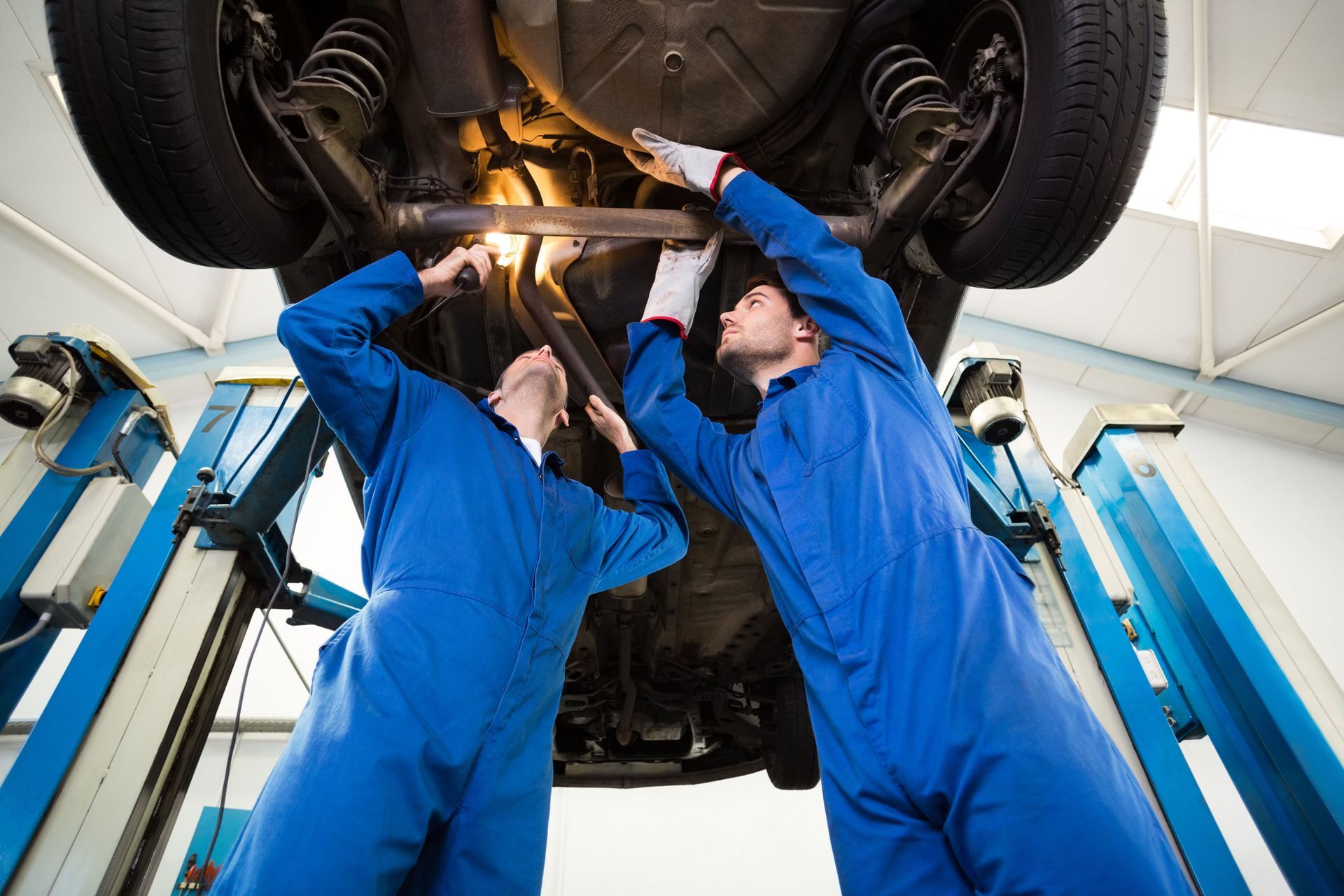
Minor impacts often affect more than exterior body panels. Components beneath the vehicle, including the suspension, brakes, cooling system, and drivetrain, may absorb collision forces even when visible damage appears minimal. Because these systems are interconnected, a seemingly minor impact can create multiple mechanical concerns.
Brake performance deserves particular attention after any collision. A bent suspension component or shifted frame can alter braking characteristics, causing uneven stopping or unusual pedal feel. According to Gitnux, brake repair represents roughly 25% of vehicle service appointments, demonstrating just how frequently braking systems require professional attention. Following any accident, technicians should evaluate the entire braking system instead of focusing solely on cosmetic damage.
Drivers should also listen for unfamiliar noises that appear after an accident. Clunking, squeaking, grinding, or metallic rattling can indicate damaged mounting points, suspension components, or structural connections that were affected during the collision. Even if the sounds seem minor initially, they often worsen over time as damaged parts continue to move under normal driving conditions.
Fluid leaks may also develop after an impact. A collision can crack reservoirs, damage hoses, or shift mechanical components enough to create small leaks that become larger over time. Qualified technicians at local auto shops can identify the source of these leaks before they result in overheating, transmission problems, or engine damage.
Modern vehicles also rely heavily on electronic safety systems that can be disrupted by structural movement. Cameras, radar sensors, parking assistance systems, and adaptive cruise control features often require recalibration following collision repairs. If warning lights appear or driver-assistance features stop functioning correctly, hidden structural damage may be contributing to the problem.
Irregular Exterior Clues
Exterior appearance often provides subtle hints that structural damage exists beneath the surface. While many drivers focus on dents and scratches, careful inspection by local auto shops can reveal signs that the vehicle's structure has shifted during the impact. These clues may be small individually, but together they often indicate more significant underlying issues.
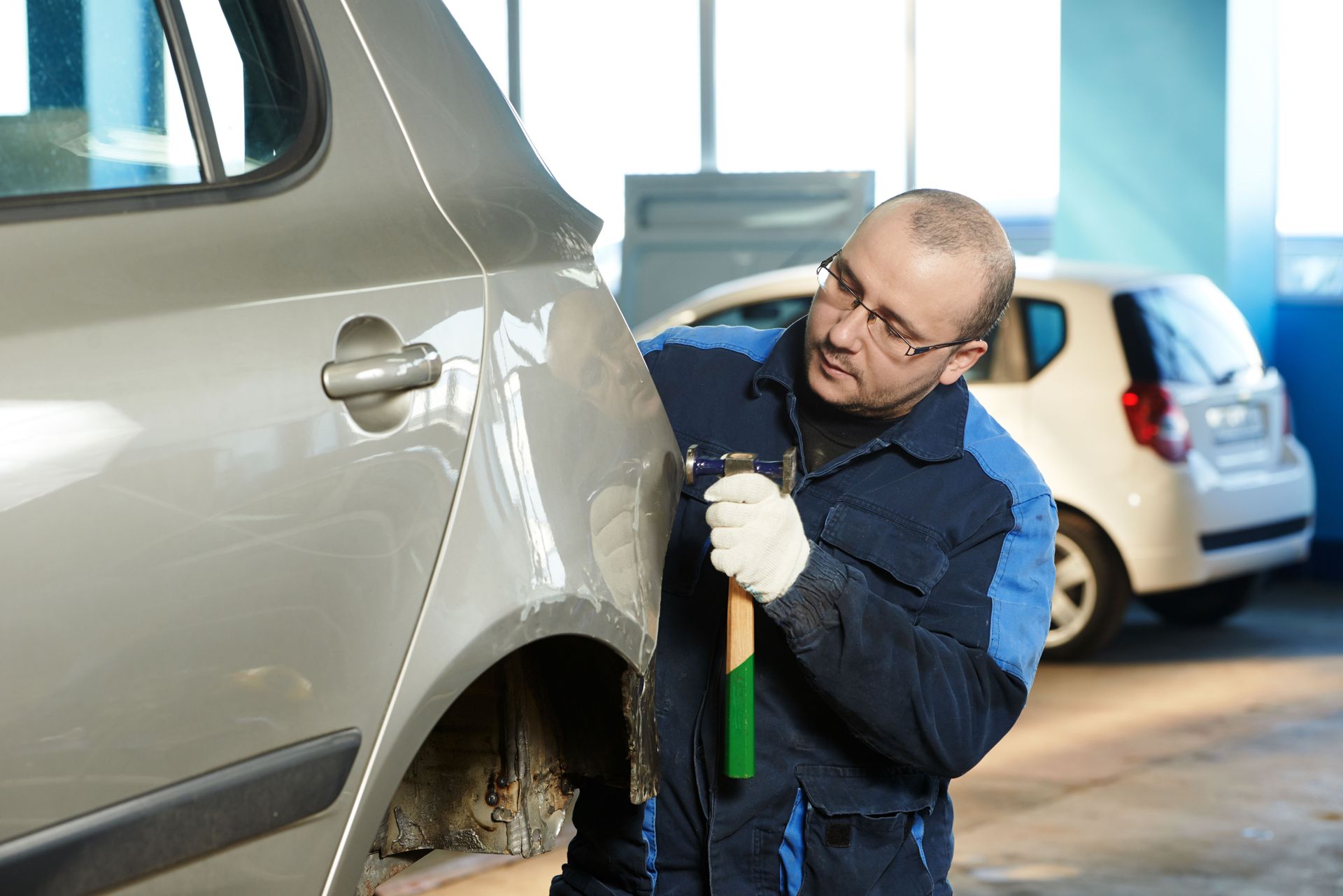
Uneven gaps between body panels frequently signal alignment problems. If the hood, trunk, doors, or fenders no longer sit evenly, structural movement may have occurred during the collision. Even a slight frame shift can affect how exterior panels line up throughout the vehicle.
Doors that suddenly become difficult to open or close deserve immediate attention. A frame that has twisted slightly may prevent doors from fitting correctly within their openings. Rather than forcing the doors shut, owners should have the vehicle inspected by local auto shops that understand collision-related structural alignment.
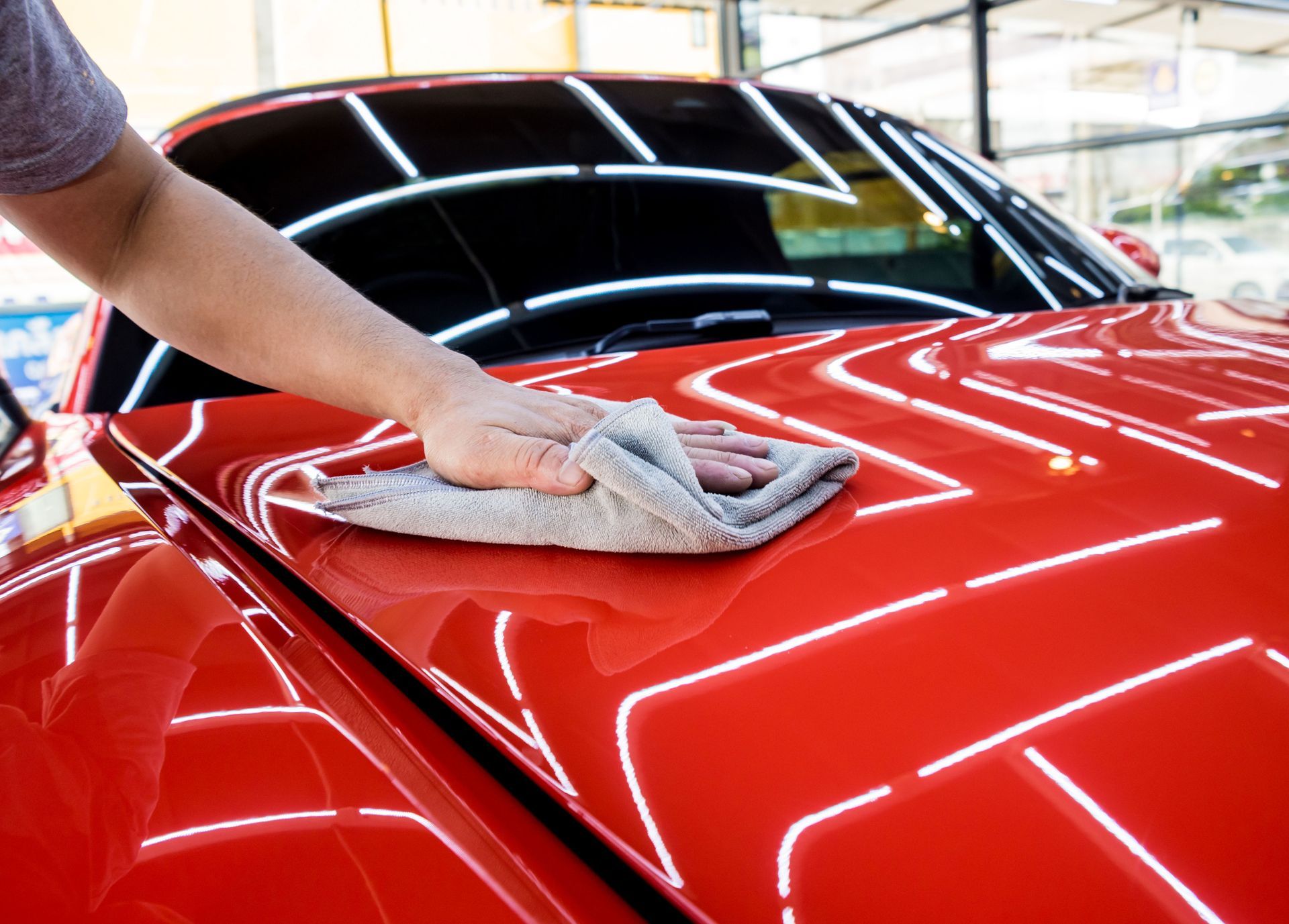
Inspect the vehicle from several angles under good lighting. Ripples in body panels, uneven reflections, or slight differences in paint alignment can indicate that the underlying metal has shifted. These visual irregularities are often easier to detect than drivers realize, particularly after washing the vehicle.
The condition of your tires may also reveal structural concerns. Uneven tire wear that develops shortly after a collision often points to suspension or alignment problems caused by hidden damage. Continuing to drive without correcting these issues can shorten tire life while increasing the risk of handling problems.
Another commonly overlooked clue involves weather seals around doors, windows, and the trunk. If these seals no longer fit tightly, water leaks, wind noise, or moisture inside the cabin may develop. Professionals at local auto shops can determine whether these problems stem from simple seal replacement or more significant structural movement.
Professional Inspection Benefits
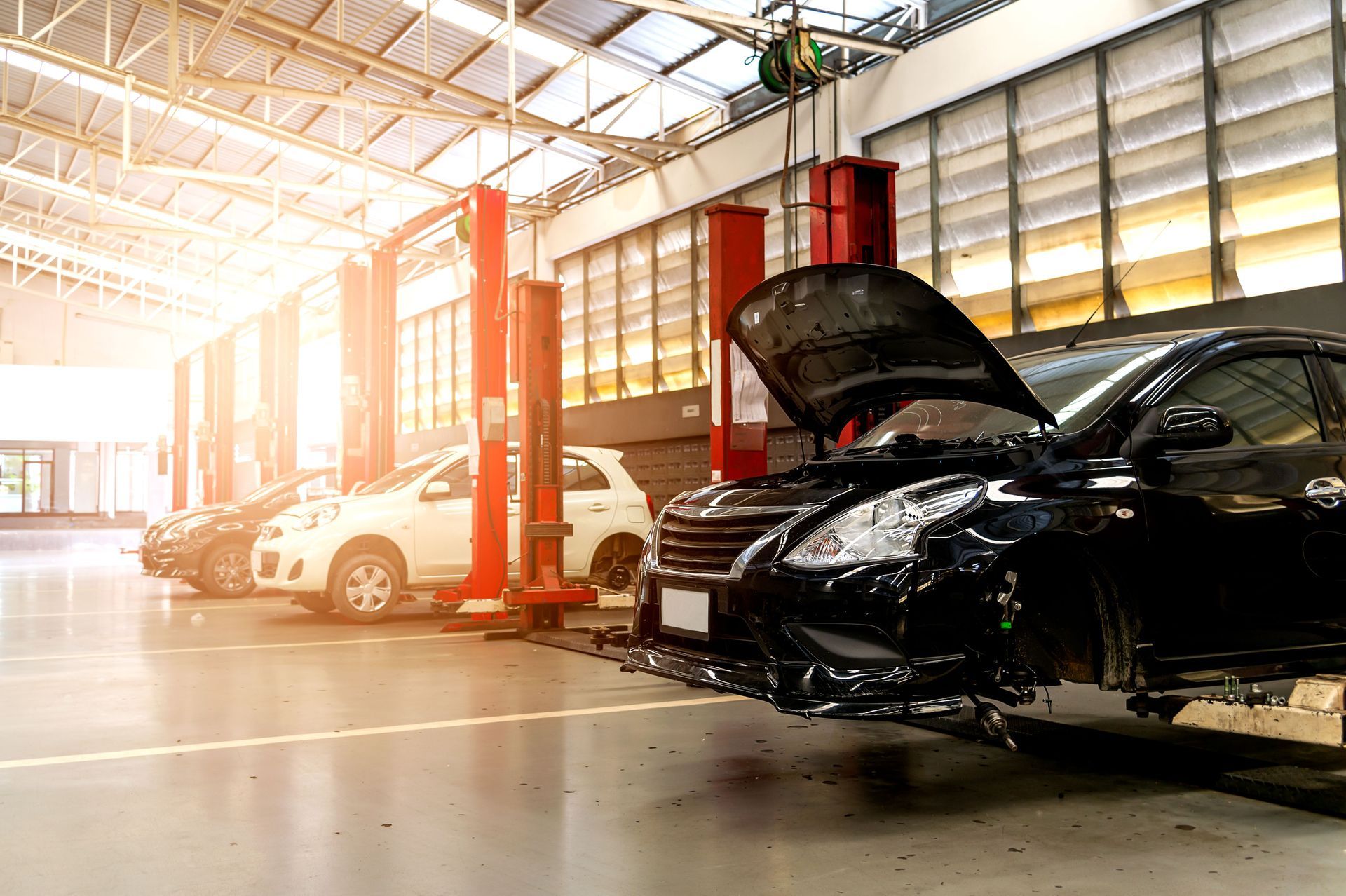
Many forms of structural damage cannot be identified through a simple visual inspection. Today's vehicles use high-strength steel, aluminum, and engineered crumple zones designed to absorb impact energy efficiently. While these materials improve occupant safety, they also make professional diagnostic equipment essential after a collision.
Collision repair specialists use computerized frame measuring systems that compare your vehicle's dimensions against manufacturer specifications. Even tiny deviations can affect suspension performance, crash protection, and long-term reliability. Measuring the frame accurately allows technicians to identify issues that remain invisible to the naked eye.
Professional inspections also include suspension evaluation, steering checks, wheel alignment measurements, and brake system testing. By examining every system influenced by the collision, technicians can develop a complete repair plan rather than addressing only obvious cosmetic damage. This comprehensive approach reduces the likelihood of future problems.
Insurance estimates sometimes prioritize visible repairs, especially after low-speed accidents. However, additional structural damage may become apparent only after body panels are removed during the repair process. Having the vehicle inspected by reputable local auto shops helps ensure that hidden issues are properly documented and corrected before repairs are finalized.
Routine maintenance visits also provide an opportunity to monitor previously repaired vehicles. Technicians can inspect repaired structural areas, verify alignment measurements, and confirm that suspension components continue operating correctly. This ongoing attention helps identify developing concerns before they become major safety hazards.
Vehicle owners should remember that structural repairs influence resale value as well as occupant protection. Complete documentation showing that damage was professionally repaired provides confidence for future buyers and demonstrates responsible vehicle ownership. Investing in proper inspections today may prevent significantly larger expenses later.
After repairs are completed, a thorough road test remains an essential final step. Technicians verify steering response, braking performance, suspension behavior, and electronic safety system operation under real driving conditions. This process confirms that the vehicle performs as intended before it returns to regular service.
Minor collisions may leave behind far more than cosmetic imperfections. Hidden structural damage can affect handling, braking, alignment, electronic safety systems, and overall crash protection, making prompt professional evaluation an important part of post-accident vehicle care. Whether you notice unusual driving behavior, mechanical concerns, or subtle body alignment issues, trusted
local auto shops can identify problems before they become more serious or more expensive to repair.
We at Zook's Earl Scheib Inc Autobody and Paint are committed to carefully inspecting your vehicle for hidden structural damage after any collision, no matter how minor it seems. We use our experience and attention to detail to help ensure your vehicle is repaired correctly and safely the first time. We look forward to providing the dependable collision repair services you deserve so you can drive with confidence once again. Schedule your auto service now.