January 23, 2026
In recent years, technological innovations have dramatically reshaped various industries, with local auto shops being no exception. The integration of modern technology into auto repair processes has not only streamlined operations but also enhanced accuracy and efficiency in service delivery. This comprehensive article will explore the transformative role of technology in local auto shops, examining its impact on diagnostics, customer service, inventory management, workforce training, and repair innovations. By delving into these areas, we aim to illuminate both the challenges faced and the opportunities presented by this technological revolution. With the automotive industry evolving rapidly, understanding these shifts is essential for both service providers and consumers.
1. Diagnostic Tools and Software
The progression from manual diagnostics to sophisticated computer-based tools marks a significant shift in the auto repair industry. Initially, mechanics relied heavily on their expertise and traditional tools to identify vehicle issues. However, the advent of computerized diagnostic tools has revolutionized this process by enhancing precision and reducing the time required for diagnosing problems. These tools allow technicians to interface directly with a vehicle's onboard computer system, providing detailed insights into its performance. As a result, local auto shops can now offer more accurate, reliable, and timely diagnostic services.
Computerized diagnostics have brought numerous benefits to local auto shops, particularly in terms of efficiency and accuracy. By interfacing with vehicles' electronic systems, modern diagnostic tools identify problems that may not be apparent through manual inspection. This capability reduces the risk of human error and ensures that issues are detected and addressed promptly. Additionally, automated diagnostics streamline the workflow by quickly pinpointing malfunctions, allowing technicians to devote more time to actual repairs rather than lengthy troubleshooting. Ultimately, these technological advancements translate into enhanced customer satisfaction due to quicker service times and reliable repairs.
In today's market, several diagnostic software solutions have emerged as industry leaders, catering to the diverse needs of auto shops. Software like AutoEnginuity and Blaupunkt have set benchmarks by offering compatibility with a wide range of vehicle brands and models. These tools are designed to provide comprehensive diagnostic data, including error codes and detailed performance metrics, making them invaluable for technicians. Moreover, their user-friendly interfaces and regular updates ensure that mechanics always work with the most current information. By investing in these robust software solutions, local auto shops can enhance operational efficiency and maintain a competitive edge.
2. Enhanced Customer Service through Technology
The introduction of online booking and scheduling tools has drastically improved customer service in auto shops. These platforms enable customers to easily schedule appointments at their convenience, helping avoid traditional phone call hassles. By allowing clients to choose service times based on real-time availability, these systems enhance client satisfaction and shop efficiency. This digital approach also considerably reduces scheduling errors and minimizes downtime, optimizing the workload management for technicians. Furthermore, user-friendly interfaces and automated reminders improve client engagement, fostering better service experiences.
Digital vehicle service records have redefined the way auto shops maintain and utilize customer data. These records ensure that accurate, up-to-date information regarding a vehicle's service history is readily accessible, facilitating transparency and clear communication between service providers and clients. By maintaining comprehensive digital records, auto shops can quickly retrieve past service details, enabling informed decision-making for future repairs and maintenance. This approach eliminates paperwork and administrative overhead, allowing both customers and technicians to focus on more critical aspects. Overall, digital recordkeeping not only enhances operational efficiency but also builds trust with clients.
In recent years, virtual consultations have emerged as a valuable tool for auto shops to maintain effective communication with their customers. Through video calls and messaging apps, technicians can provide clients with real-time updates and insights during the repair process. This transparency assists customers in comprehending vehicle issues and making informed decisions on repairs. Additionally, virtual interactions accommodate customers' busy schedules, allowing them to engage with the shop without visiting in person. By leveraging modern communication platforms, auto shops can enhance customer relationships, ensuring a more personalized and satisfactory service experience.
3. Inventory Management and Supply Chain Optimization
The transition from manual inventory management to digital systems has significantly optimized stock control in local auto shops. Digital inventory solutions provide real-time, accurate tracking of parts and materials, ensuring optimal stock levels are maintained at all times. This eliminates the inefficiencies and errors associated with manual tracking and supports more strategic inventory decisions. Furthermore, automated inventory management enhances the ability to swiftly locate and retrieve parts, reducing delays and improving service times. By leveraging digital tools, auto shops can minimize waste, lower overhead costs, and improve overall operational efficiency.
Predictive analytics has emerged as a game-changer in optimizing inventory management within auto shops. By analyzing historical sales data and trends, these tools provide valuable insights into future demand, facilitating precise inventory forecasting. This proactive approach minimizes both overstock and stockouts, ensuring the shop can meet customer demands efficiently. Predictive analytics help identify peak service times and align ordering with demand patterns, enhancing supply chain coordination. Through accurate demand predictions, local auto shops can streamline inventory processes, reduce costs, and maintain high service levels, ultimately leading to greater customer satisfaction.
Technology has played a significant role in enhancing supplier relationship management for auto shops, ensuring efficient order fulfillment. Through digital platforms, shops can seamlessly communicate with suppliers, track shipments, and manage orders, improving the overall procurement process. This streamlined connectivity ensures timely deliveries, minimizing service disruptions and ensuring parts are available when needed. Enhanced supplier collaboration promotes reliability and trust, facilitating long-term partnerships that benefit both parties. By leveraging technology, local auto shops ensure a continuous, smooth supply chain operation, contributing to cost efficiencies and increased customer satisfaction.
4. Workforce Management and Training
Digital training platforms are transforming workforce management by empowering auto shop employees with new skills and knowledge. These platforms offer diverse online courses, enabling staff to stay updated with industry developments and technological advancements. Through interactive modules and virtual workshops, employees can learn flexibly at their own pace, enhancing skill acquisition. Moreover, digital platforms provide access to a wide range of training resources, catering to distinct learning styles and preferences. By equipping their workforce with advanced skills, local auto shops ensure their team remains competent and adaptable in a rapidly evolving industry.
Advanced scheduling and time-tracking technologies are instrumental in optimizing workforce management in local auto shops. Digital tools enable accurate management of employee schedules, ensuring work hours are aligned with peak demand periods. Additionally, real-time attendance tracking supports efficient payroll processing, reinforcing accurate compensation for staff efforts. Automated shift management reduces scheduling conflicts and minimizes administrative burdens, leading to improved operational efficiency. According to Collision Week, average weekly hours worked by production employees rose to 38.2 hours in March 2025, highlighting the increasing workload and necessitating advanced scheduling tools for effective management. By leveraging such technologies, auto shops foster a productive, satisfied workforce.
Integrating performance management tools with analytics capabilities has enhanced employee performance tracking in auto shops. These systems provide valuable insights into individual and team performance, allowing managers to make informed decisions regarding training and development. Data-driven analytics enable a proactive approach to identifying performance patterns, helping address issues before they escalate. Additionally, transparent performance evaluation fosters open communication between staff and management. By utilizing these technological advancements, local auto shops can efficiently manage human resources, optimizing productivity and nurturing a high-performance culture.
5. Innovations in Repair and Maintenance
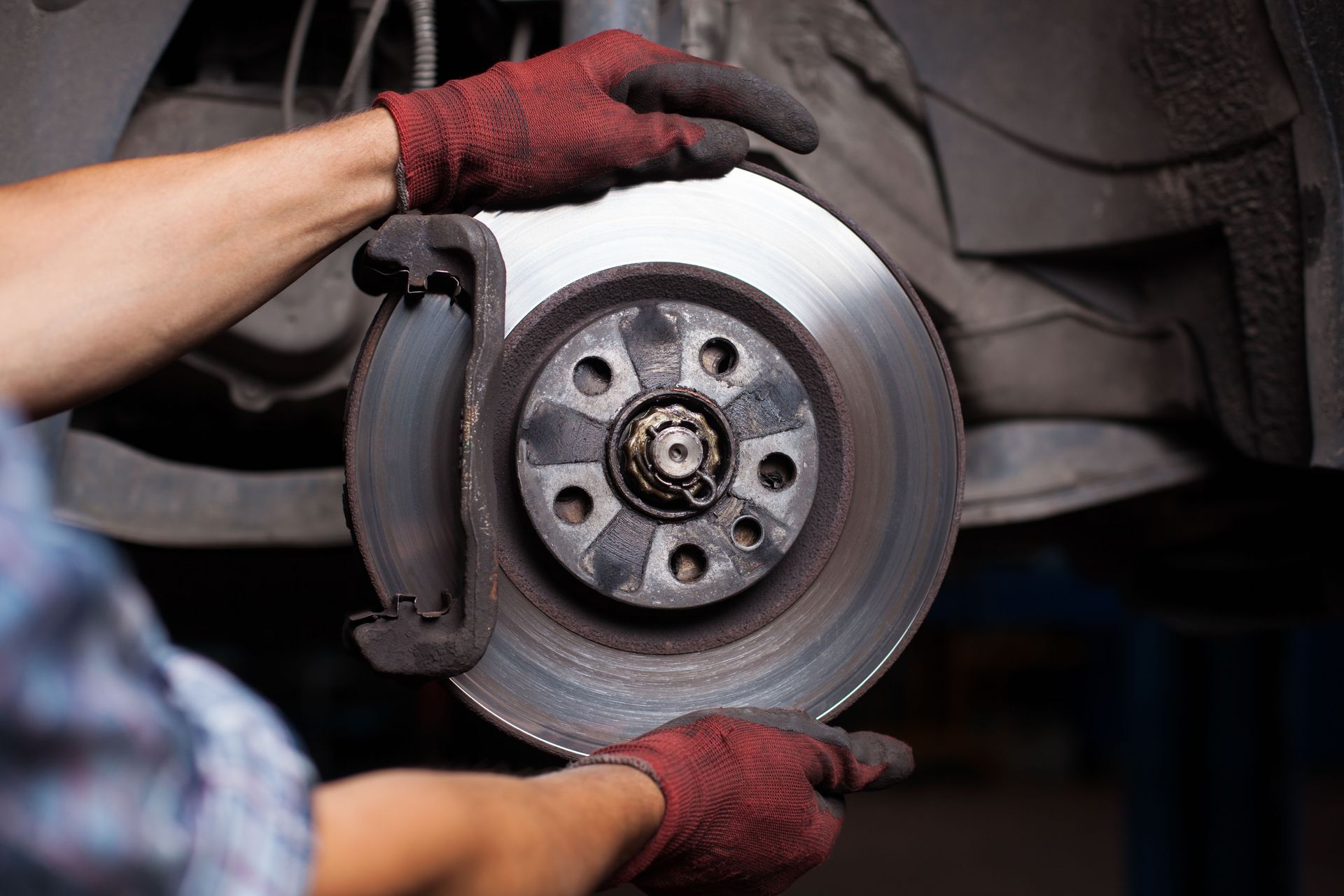
The adoption of advanced repair technologies has fundamentally transformed repair and maintenance practices in local auto shops. Innovative tools like laser scanners and electric welder machines augment traditional repair methods, paving the way for enhanced precision and efficiency. These technologies enable technicians to restore vehicles to optimal condition rapidly and reliably. Moreover, advanced equipment ensures consistency in service quality, facilitating quicker turnarounds and increased customer satisfaction. By investing in cutting-edge repair solutions, local auto shops position themselves as industry leaders, renowned for their expertise and excellence.
The emergence of 3D printing technology has introduced exciting possibilities for parts replacement in auto shops. By utilizing 3D printers, technicians can manufacture components on-site, reducing lead times and enhancing service efficiency. This capability is especially valuable for sourcing hard-to-find or obsolete parts, minimizing vehicle downtime. Moreover, 3D printing allows for cost-effective production of parts, ensuring resources are optimally utilized while maintaining quality standards. The flexibility offered by 3D printing transforms traditional repair processes, providing local auto shops with an edge in service delivery.
Augmented reality (AR) is emerging as a powerful tool for simplifying complex repair tasks, enhancing service precision in local auto shops. AR technology enables technicians to overlay digital information onto the physical environment, guiding them through intricate repairs step-by-step. This innovative approach reduces the margin of error associated with manual repairs, ensuring consistent quality. Additionally, AR facilitates real-time information sharing, allowing remote experts to assist in complicated repairs. By leveraging AR tools for training and guidance,
local auto shops enhance service efficiency, advancing repair capabilities while reducing operational risks.
Technological advancements are transforming local auto shops, enabling more efficient operations and enhanced customer experiences. From the adoption of advanced diagnostics to digitized inventory management, technology provides substantial benefits that streamline service delivery and improve competitiveness. While challenges exist, including adaptation to electric vehicle technologies and addressing cybersecurity concerns, investing in skilled workforces and advanced tools offers significant opportunities for growth and innovation. For a local auto shop you can count on, contact Zook's Earl Scheib Inc Autobody and Paint.