November 7, 2026
Scratches and paint chips may seem like minor cosmetic problems, but they can lead to more serious damage when left untreated. Road debris, parking lot incidents, weather conditions, and minor collisions can damage a vehicle's paint and expose the underlying materials. Seeking help from local auto shops can protect the vehicle's appearance while preventing small imperfections from becoming expensive repairs.
Scratches typically appear as lines across the paint, while chips create small spots where the protective coating has disappeared. Although some damage remains limited to the clear coat, deeper scratches may expose the primer or bare metal beneath the paint. A professional inspection can determine the severity of the damage and identify the appropriate repair before the affected area deteriorates further.
Preventing Rust and Corrosion
Automotive paint serves as a protective barrier against moisture, road salt, and other environmental contaminants. When scratches or chips penetrate this barrier, exposed metal can begin to corrode. Over time, rust may spread beneath surrounding paint, causing bubbling, discoloration, and deterioration that requires more extensive restoration.
Environmental conditions can accelerate this process, particularly in areas with frequent rainfall, high humidity, or winter road treatments. Even a small chip can become problematic when water repeatedly reaches the exposed metal. Local auto shops can evaluate damaged areas, remove corrosion when necessary, and restore the protective finish to help prevent additional deterioration.
Rust damage can eventually extend beyond the vehicle's appearance. Severe corrosion may weaken body panels and affect structural components, depending on the location and extent of the damage. Addressing paint imperfections promptly helps reduce the likelihood of these complications and supports the vehicle's long-term condition.
Reducing Long-Term Repair Costs
Minor paint damage is often less expensive to address than widespread corrosion or deteriorated body panels. When scratches remain untreated, moisture and contaminants can gradually worsen the affected area, increasing the amount of labor and materials needed for restoration. Professional repairs can help vehicle owners manage these costs before additional damage develops.
According to Market Growth Reports, the global car body repair market is experiencing an annual increase of over 5% in registered vehicles requiring body repair across key regions. This trend highlights the ongoing need for vehicle body maintenance and repair services as more vehicles require attention to exterior damage. Local auto shops provide services that help drivers address cosmetic imperfections and more substantial body concerns.
Visible scratches and paint chips can also affect resale value. Prospective buyers may interpret exterior damage as a sign that a vehicle has not received consistent maintenance, even when its mechanical systems remain in good condition. Restoring the finish before selling or trading in a vehicle can improve its presentation and help buyers feel more confident about its upkeep.
Identifying Potential Safety Concerns
Not every scratch creates a safety issue, but damage in certain areas deserves prompt attention. Scratches and chips near headlights, taillights, mirrors, and windows may accompany damage that affects visibility or lighting performance. A professional assessment can help determine whether additional components need inspection or repair.
More serious collisions can also leave hidden damage beneath the paint. Cracked panels, distorted bodywork, damaged mounting points, and compromised sensors may not be immediately apparent from the exterior. Local auto shops experienced in collision repair can evaluate these concerns and recommend the appropriate work to restore the vehicle's condition.
Corrosion may also affect safety-related components when it develops around vulnerable underbody areas. Brake lines, suspension mounting points, and other metal components can deteriorate when exposed to persistent moisture and road salt. Drivers should seek professional attention when visible rust appears near critical components or when exterior damage follows a collision.
Recognizing Environmental Damage
Vehicles encounter a range of environmental conditions that can accelerate exterior deterioration. Road salt can encourage corrosion, while prolonged sunlight may contribute to fading and weaken certain paint finishes over time. Industrial pollutants, tree sap, bird droppings, and other contaminants can also damage painted surfaces when they remain on the vehicle.
Temperature changes can further affect existing imperfections. Repeated heating and cooling may contribute to the deterioration of damaged coatings, while moisture entering exposed areas can increase the risk of rust. Local auto shops can recommend suitable repair and protective services based on the vehicle's condition and typical driving environment.
Parking conditions also influence how frequently exterior damage occurs. Vehicles regularly exposed to falling branches, crowded parking areas, gravel roads, or severe weather may experience more scratches and chips. Understanding these risks helps owners recognize why timely inspections and professional maintenance are important for preserving the vehicle's finish.
Understanding Professional Paint Repairs
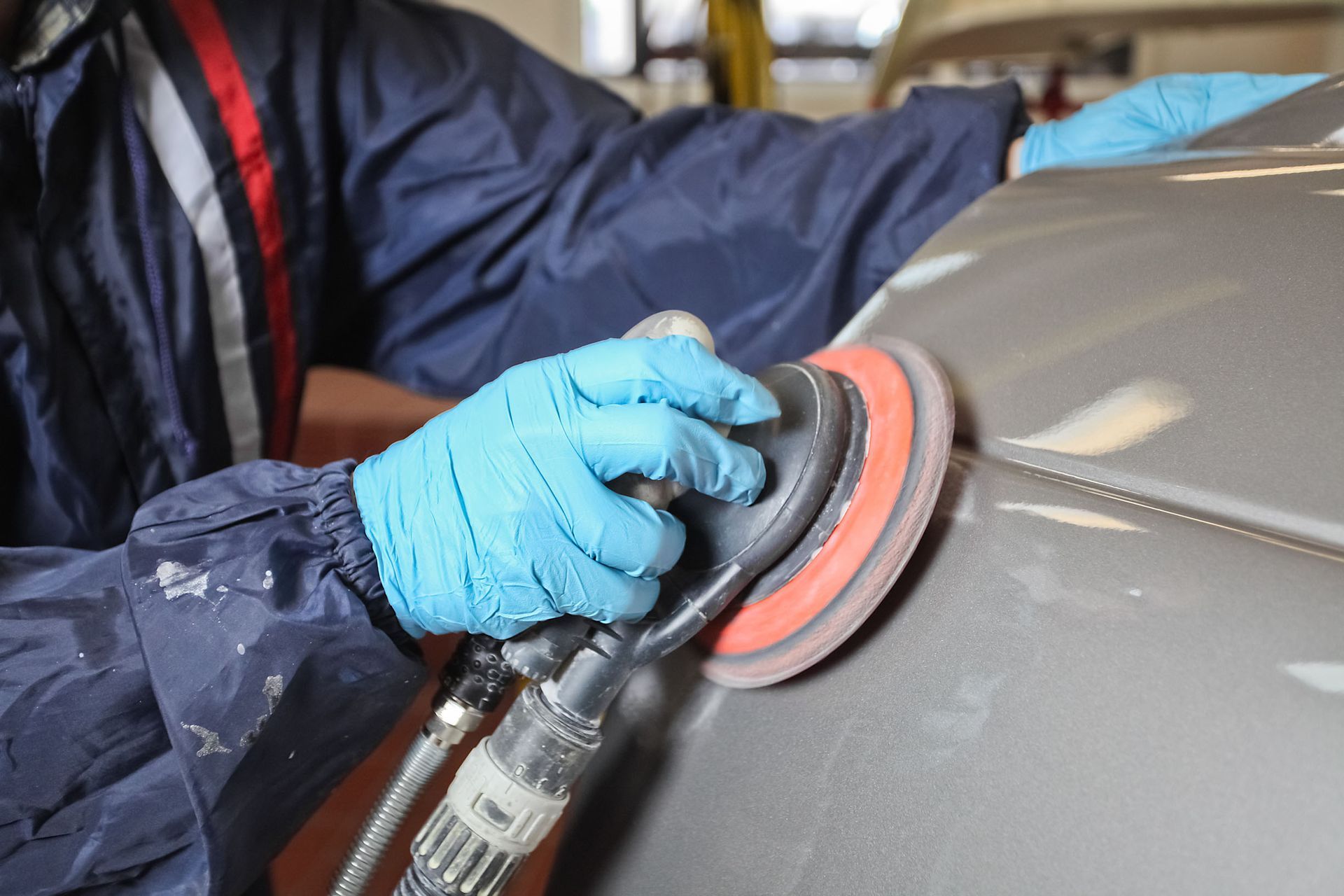
Professional paint repair involves more than improving a vehicle's appearance. Technicians assess the depth of the damage, determine whether corrosion is present, and select suitable materials to restore the affected surface. Depending on the condition, the work may involve surface preparation, corrosion treatment, primer application, color matching, and protective clear coating.
Accurate color matching is particularly important when repairing visible panels. Differences in shade, gloss, and texture can make a repaired area stand out against the surrounding finish. Experienced technicians use appropriate paint systems and application methods to achieve a consistent appearance and help the repair blend with the existing bodywork.
Local auto shops can also identify damage that might otherwise go unnoticed during a routine vehicle inspection. A technician may discover several small chips, early corrosion, or previous repair issues that warrant further attention. Addressing these concerns together can help owners maintain the exterior more effectively and reduce the chance of repeated repair visits.
Selecting a Qualified Auto Body Shop
Selecting a repair provider involves considering experience, service quality, communication, and the types of repairs offered. Vehicle owners should look for technicians who can explain the condition of the damaged area, describe the recommended process, and provide a clear estimate. Reviewing customer feedback and asking about applicable repair warranties can also help drivers make an informed decision.
It is important to choose a provider capable of handling the specific type of damage involved. Minor paint imperfections may require a different process from deep scratches, widespread rust, or collision-related panel damage. Local auto shops that offer comprehensive body and paint services can help determine the appropriate scope of work without overlooking underlying problems.
Drivers should also ask how the repair will protect the vehicle against future deterioration. Proper preparation, compatible materials, and appropriate finishing techniques contribute to a durable result. Clear communication throughout the repair process helps vehicle owners understand what work is necessary and what improvements they can reasonably expect.
Maintaining Exterior Condition
Regular professional inspections can help identify developing paint problems before they become more difficult to repair. Drivers should pay attention to new scratches, chipped paint, bubbling surfaces, and areas where discoloration appears unexpectedly. Prompt assessment is especially important when bare metal is visible or damage occurs after a collision.
Protective treatments may also help preserve the finish when selected for the vehicle's needs. Wax, paint sealants, and ceramic coatings can provide additional protection against certain environmental contaminants, although they cannot eliminate the risk of scratches or prevent every form of damage. A qualified technician can explain which options are appropriate for the vehicle and its existing paint condition.
Consistent maintenance supports both appearance and long-term value. Keeping the exterior clean, addressing contaminants promptly, and arranging professional repairs when necessary can help limit deterioration. Local auto shops can provide ongoing guidance and services that support a vehicle's condition throughout its years on the road. Protect your vehicle’s appearance and prevent minor paint damage from turning into costly repairs. Contact Zook's Earl Scheib Inc Autobody and Paint for professional auto body and paint services to restore your vehicle’s finish and help maintain its long-term value.