December 17, 2025
The automotive industry is highly competitive, and auto body shops face a variety of challenges that go beyond repairing vehicles. While technical skill is critical, shop owners and managers must also navigate operational inefficiencies, staffing shortages, evolving technologies, financial pressures, and high customer expectations. Vehicles now feature advanced electronics, safety systems, and materials, requiring shops to constantly adapt their repair methods.
Shop owners must also contend with external pressures, such as rising costs for parts and supplies, fluctuations in demand, and the need to maintain a positive reputation both online and in the local community. According to Auto Body News, the collision industry’s market consolidation continued as hundreds of independent single-location shops closed without being acquired in 2024, a trend attributed to economic headwinds and insurance reimbursement challenges. Balancing day-to-day operational demands with long-term strategic planning is a constant challenge, especially for independent shops competing against large dealerships and national chains.
Optimizing Workflow for Efficiency
Efficient workflow is one of the most pressing challenges for auto body shops. Many shops still rely on manual processes or outdated systems, which can cause delays, miscommunications, and customer frustration. Bottlenecks often occur during vehicle intake, repair scheduling, or parts procurement, slowing overall operations and impacting customer satisfaction.
Streamlining Repair Processes
Evaluating existing procedures and identifying sources of delay allows shops to create smoother workflows. Implementing scheduling and tracking systems can help monitor repair progress in real-time, reduce administrative burdens, and improve communication with customers. Optimized workflows allow employees to focus on quality repairs while improving overall service standards.
Standardizing Procedures for Common Repairs
Additionally, establishing standardized procedures for common repairs and maintaining clear documentation minimizes errors and ensures consistency. Cross-training staff to handle multiple tasks also helps shops remain flexible during peak periods, reducing downtime and maintaining timely service for every customer.
Managing Inventory Effectively
Maintaining the right balance of parts and supplies is essential for auto body shops. Overstocking ties up capital, while understocking can halt operations and delay repairs. Accurate inventory management helps shops meet customer demands without unnecessary downtime, keeping operations efficient and organized.
Leveraging Supplier Relationships
Building relationships with multiple suppliers ensures that critical parts are available when needed. Tracking stock levels and anticipating demand reduces waste and allows shops to complete repairs promptly, keeping both operations and customers running smoothly. This also helps mitigate the impact of unexpected supply chain delays or shortages.
Implementing Digital Inventory Tracking Systems
Implementing digital inventory tracking systems further improves accuracy by automatically alerting staff when stock is low and helping predict future needs. This proactive approach prevents delays, reduces emergency orders, and ensures customers receive timely and reliable service.
Staying Current With Vehicle Technologies
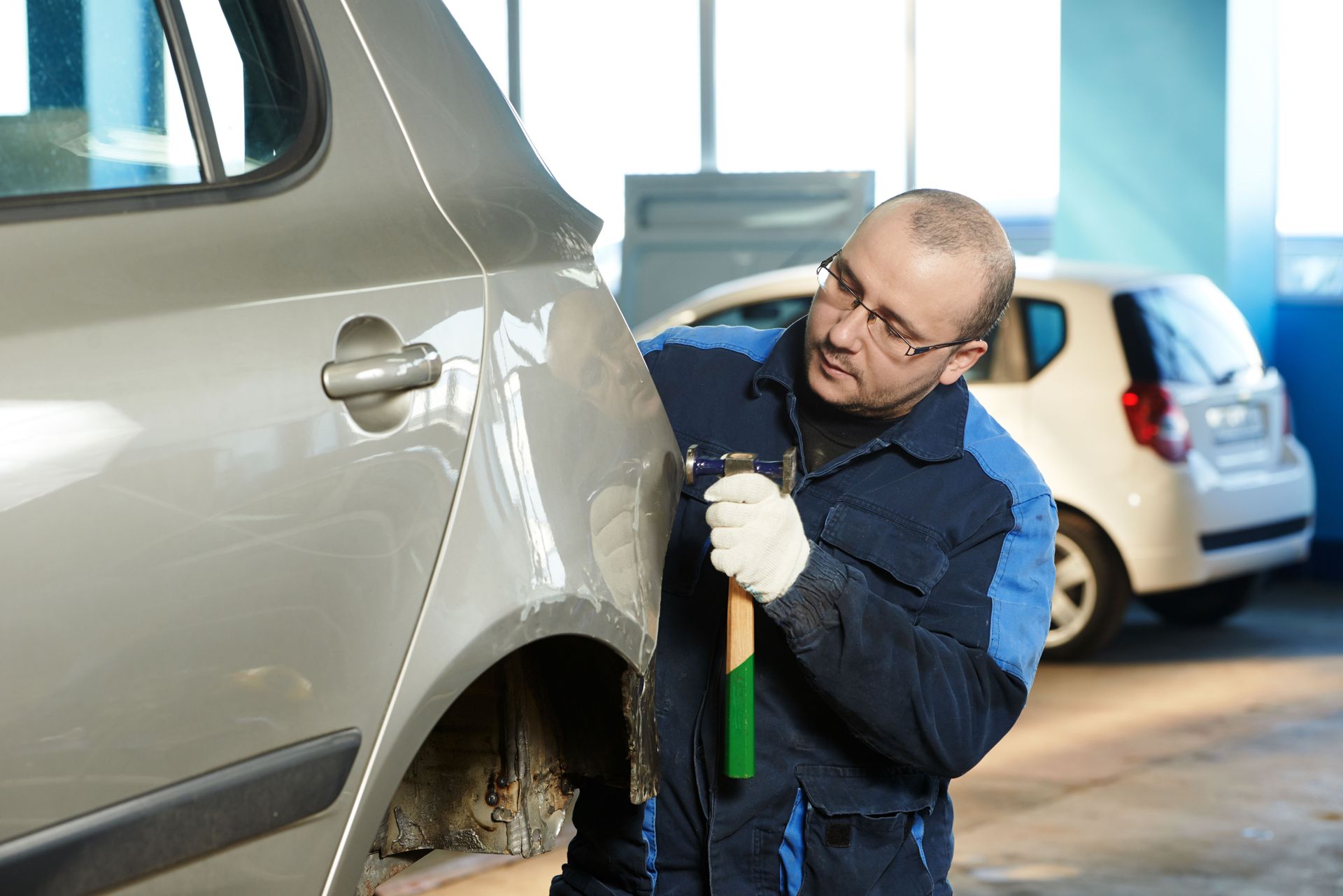
Modern vehicles feature advanced electronics, safety systems, and materials that require precise repair techniques. Technicians must continuously update their skills to handle a variety of vehicles safely and efficiently, ensuring repairs are completed correctly and reliably.
Investing in Training and Equipment
Ongoing professional development and updated tools equip technicians to provide high-quality repairs across different vehicle types. This investment in skill and technology ensures customers receive consistent results and that the shop maintains a competitive edge.
Following Industry Trends and Manufacturer Guidelines
Keeping up with industry trends and manufacturer repair guidelines helps shops remain prepared for new vehicle models. Regular workshops, certifications, and hands-on training sessions build technician confidence and demonstrate professional competence to customers.
Addressing Staffing Needs
The shortage of skilled technicians is a critical issue for auto body shops. Recruiting and retaining talent requires competitive compensation, benefits, and opportunities for career growth. A lack of qualified staff can disrupt operations and extend repair timelines.
Fostering a Positive Work Environment
Creating a supportive and engaging workplace encourages employee loyalty and reduces turnover. Providing continuous training ensures the team stays current with repair techniques, strengthening both workforce competence and overall service quality.
Encouraging Mentorship and Career Advancement
Encouraging mentorship programs, recognizing achievements, and offering clear advancement paths further motivates employees. A committed and satisfied team not only reduces staffing disruptions but also enhances the overall customer experience through skilled, consistent service.
Enhancing Customer Service
Customer satisfaction is central to a successful auto body shop. Clear communication about repair timelines, costs, and scope of work helps manage expectations and ensures repairs are completed according to customer requirements. Effective service practices build long-term client relationships.
Communicating Clearly and Responsively
Providing realistic estimates, updating customers on repair progress, and addressing concerns professionally ensures a positive experience. Shops that excel in service retain clients and benefit from repeat business and referrals.
Offering Convenient Customer Communication Channels
Offering convenient communication channels, such as phone, email, or text updates, keeps customers informed at every stage of the repair process. A consistent focus on transparency and responsiveness strengthens client interactions and encourages ongoing engagement with the shop.
Maintaining Strong Financial Practices
Balancing competitive pricing with profitability is a constant challenge for auto body shops. Understanding local market trends and factoring in labor, materials, and overhead is essential for maintaining healthy margins and sustaining long-term operations.
Monitoring Cash Flow and Expenses
Regularly reviewing financial performance, maintaining reserves, and planning for seasonal fluctuations ensures stable operations. Sound financial practices enable shops to invest in technology, training, and service quality, strengthening long-term competitiveness.
Using Accounting Software for Operational Efficiency
Implementing accounting software tailored to repair shops simplifies billing, tracks expenses, and generates performance reports. These tools help owners make informed decisions, allocate resources wisely, and maintain financial stability even during unexpected challenges.
Navigating Marketing and Reputation Management
In the digital age, an online presence is vital for attracting new customers to auto body shops. Social media, well-designed websites, and online reviews showcase a shop’s quality and reliability, helping shops reach wider audiences.
Building a Positive Brand
Community involvement, certifications, and consistently high-quality work enhance a shop’s reputation. Actively managing brand perception helps retain existing customers and generate referrals, supporting sustainable growth.
Engaging Customers Through Online Presence
Encouraging satisfied customers to leave reviews and sharing before-and-after photos of repair work online further boosts credibility. Consistent engagement with the local community and maintaining a professional, approachable image fosters stronger customer relationships and drives long-term business growth.
Ensuring Regulatory Compliance
Auto body shops must comply with environmental regulations regarding paints, solvents, and hazardous materials, as well as workplace safety standards. Noncompliance can lead to fines, legal action, and reputational damage, emphasizing the importance of strict adherence to rules.
Prioritizing Safety and Responsibility
Regular safety training, proper protective equipment, and routine inspections reduce the risk of accidents. Shops that maintain high safety standards demonstrate professionalism and accountability to employees and customers alike.
Documenting and Auditing Safety Procedures
Documenting safety procedures and conducting regular audits ensures consistent adherence to regulations. A strong safety culture protects employees, minimizes liability, and reassures customers that their vehicles are handled responsibly.
Adapting to Industry Changes
The automotive industry is evolving rapidly, with new vehicle technologies and repair techniques emerging continuously. Staying adaptable is crucial for the long-term success of auto body shops, enabling them to respond to customer needs and maintain operational efficiency.
Embracing Innovation and Preparation
Shops that invest in skilled technicians, updated tools, and efficient processes are better positioned to meet changing customer demands. Proactive adaptation ensures continued competitiveness in a dynamic market.
Implementing Advanced Diagnostic Tools and Techniques
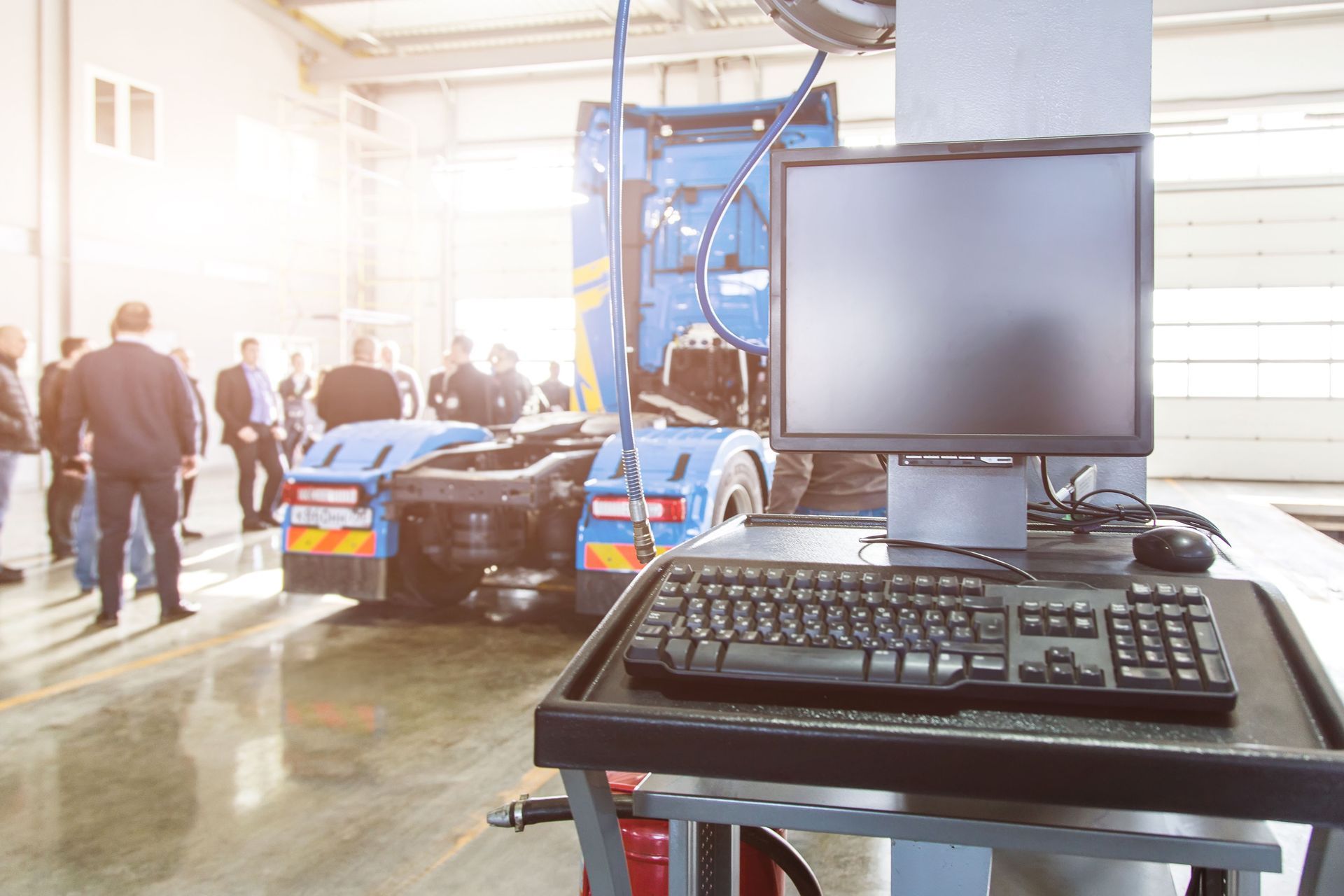
Exploring new repair techniques, incorporating advanced diagnostic tools, and staying informed about emerging trends allow shops to deliver superior service. Preparing for industry shifts ensures long-term resilience and sustained customer satisfaction.
Businesses like Zook’s Earl Scheib Inc Autobody and Paint exemplify these principles, delivering quality collision repair, auto painting, dent removal, glass services, mechanical repairs, and towing assistance with reliability and professionalism. Our commitment to excellence ensures our customers receive consistent service and comprehensive solutions for every vehicle.