
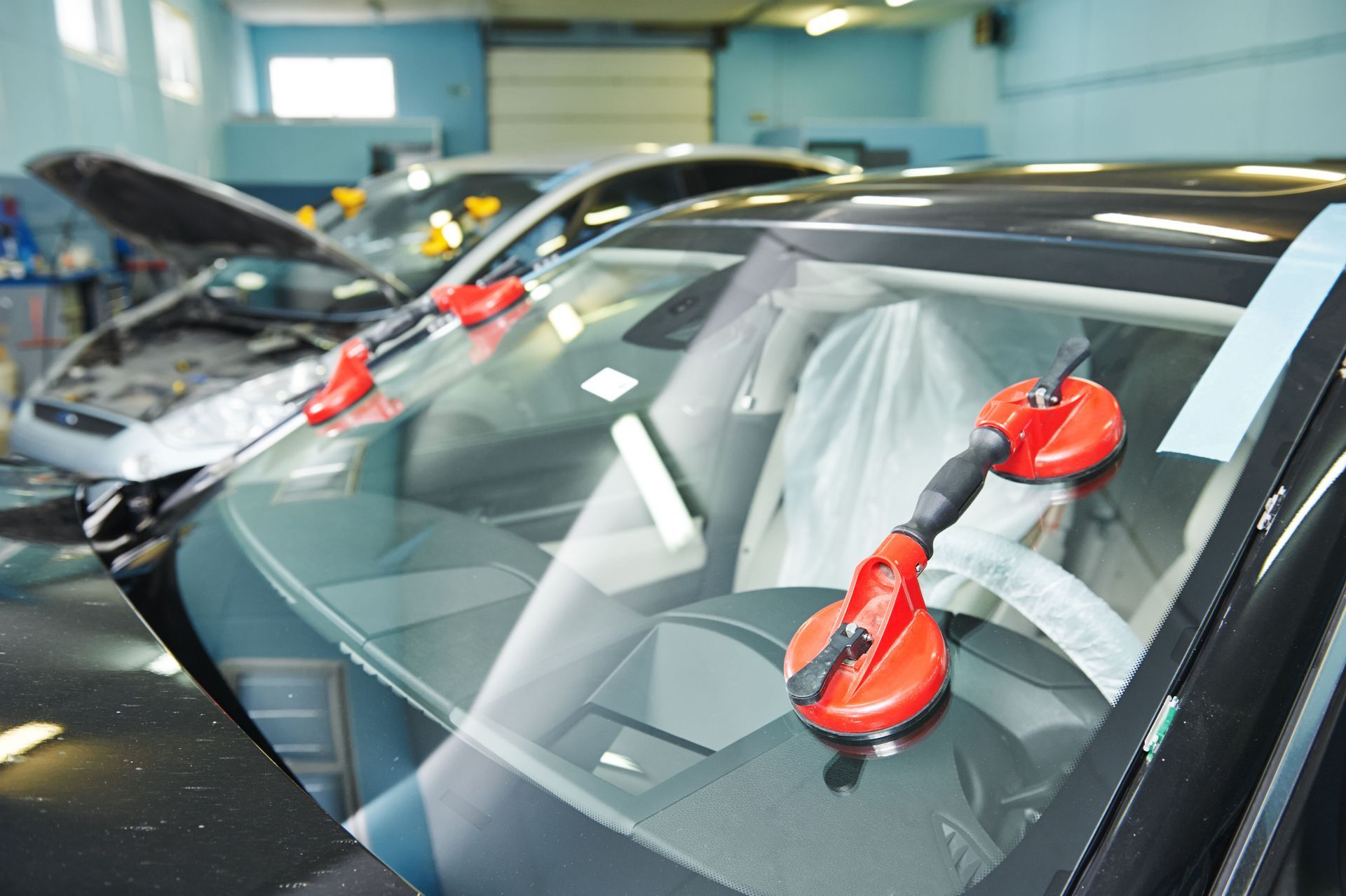
A small windshield chip might seem like a minor inconvenience, especially when it doesn't interfere with your view of the road. However, even small damage can develop into a serious problem. Temperature changes, road vibrations, and environmental factors can weaken the surrounding glass, allowing a chip to spread into a larger crack. At Zook's Earl Scheib Inc Autobody and Paint, we understand the importance of addressing vehicle damage promptly. Visiting a professional auto shop can help drivers determine whether repair or replacement is appropriate. Understanding why chips expand and when to seek professional assistance helps vehicle owners make informed safety decisions. Understanding How Windshield Glass Responds to Damage How Laminated Glass Provides Protection Modern windshields are generally constructed from laminated safety glass, consisting of two glass layers bonded by a plastic interlayer. This construction helps prevent dangerous fragmentation during an impact while providing structural support. Although laminated glass is durable, it is not completely resistant to damage. When an object strikes the windshield, the outer layer may develop a chip, creating a weakness where stress can accumulate. A qualified auto shop can evaluate the damage to determine whether the windshield remains suitable for repair. How Small Chips Create Structural Weaknesses Windshields experience pressure from vehicle movement, changing temperatures, and environmental conditions. Normally, the glass distributes these forces across its surface. A chip interrupts this distribution by creating concentrated stress. As pressure develops, the damaged area may expand. Chips near windshield edges can be particularly concerning because these areas experience additional structural stress. Professional evaluation is important because visible chip size does not always indicate the full extent of damage. Identifying Common Causes of Windshield Chips How Road Debris Damages Windshields Road debris is among the most frequent causes of windshield chips. Stones, gravel, and other materials can become airborne when vehicles travel along highways, construction zones, or poorly maintained roads. When debris strikes the windshield, the force can create an indentation or fracture. Depending on impact location and intensity, the damage may remain small or begin spreading. Drivers traveling through construction areas or along gravel roads face additional exposure to these hazards. If an impact causes visible damage, arranging an inspection at an auto shop can prevent delays in addressing the problem. How Temperature Changes Increase Stress Temperature fluctuations place additional pressure on damaged windshield glass. During hot weather, the windshield expands. When temperatures fall, the glass contracts. These changes become especially problematic when an existing chip has weakened the surface. Sudden temperature differences between the vehicle's interior and exterior may increase stress around the damaged area. Cold weather presents similar concerns. Rapid heating of a damaged windshield can contribute to crack development. Professional inspections can identify damage before seasonal conditions make the problem more difficult to address. How Previous Repairs Affect Durability Windshield durability can also be affected by previous repairs or improper installation. A windshield that has not been correctly fitted or bonded may experience uneven stress during ordinary operation. Similarly, an incomplete repair may leave weaknesses that allow additional damage to develop. Professional workmanship and appropriate materials are essential for maintaining windshield performance. When selecting an auto shop, vehicle owners should consider the provider's experience, available services, and approach to evaluating automotive glass. Understanding Why Windshield Chips Become Cracks How Driving Vibrations Accelerate Damage Everyday driving exposes vehicles to continuous vibrations. Uneven pavement, potholes, and rough roads create forces that travel through the vehicle's structure. Although these movements are manageable for an undamaged windshield, existing chips can become vulnerable to repeated stress. Over time, small fractures may extend beyond their original boundaries. Expansion varies depending on chip size, location, and surrounding conditions. Some chips remain stable, while others develop into noticeable cracks unexpectedly. A professional auto shop can assess damage before repeated driving conditions contribute to further deterioration. How Moisture Contributes to Crack Expansion Moisture can affect damaged windshield glass. Water may enter existing fractures, exposing weakened areas to additional environmental stress. During freezing weather, trapped moisture expands as it turns into ice. This expansion may pressure the surrounding glass and contribute to further cracking. Repeated freezing and thawing cycles can create complications, particularly when combined with road vibrations and temperature changes. Addressing windshield damage promptly helps reduce opportunities for environmental factors to worsen existing weaknesses. How Crack Location Influences Repair Decisions Not all windshield chips present the same concerns. Their location significantly influences whether repair is appropriate. Damage near windshield edges may affect areas exposed to greater structural stress. Chips within the driver's field of vision can create visibility concerns, even when relatively small. Damage depth and multiple fractures also influence professional recommendations. Rather than relying on appearance alone, drivers should have damaged glass evaluated by a qualified technician. Recognizing When Professional Attention Is Necessary How Visible Damage Signals Potential Problems Windshield damage can appear as circular chips, star-shaped fractures, or cracks extending outward from an impact point. Changes in appearance may indicate that surrounding glass is experiencing additional stress. A chip developing visible lines or expanding across the windshield deserves prompt professional attention. Even when damage does not immediately obstruct visibility, delaying evaluation can limit repair options. At Zook's Earl Scheib Inc Autobody and Paint, we believe vehicle owners benefit from understanding potential damage before making automotive repair decisions. How Professional Inspections Support Better Decisions A professional windshield assessment considers damage size, depth, location, and the condition of surrounding glass. Technicians can determine whether damage meets applicable repair criteria or whether replacement may be necessary. This evaluation is especially important for vehicles equipped with cameras and driver-assistance technology. According to The Business Research Company, the global automotive glass replacement market is projected to reach approximately $63.42 billion by 2030, growing at a compound annual growth rate of 9.4%. This forecast reflects the expanding importance of automotive glass replacement services. Choosing a reputable auto shop helps drivers obtain guidance about appropriate repair options and vehicle safety considerations. Protecting Your Vehicle Through Timely Professional Care How Early Evaluations Help Limit Complications Timing matters when dealing with windshield damage. Small chips may qualify for professional repair, depending on their characteristics and applicable safety requirements. However, once damage expands into a larger crack, replacement may become necessary. Waiting can increase the complexity and expense of addressing the problem. Professional evaluations identify suitable solutions while damage remains manageable. They also help vehicle owners understand the implications of continued driving with a compromised windshield. Seeking assistance from an experienced auto shop supports informed decisions without relying on temporary solutions that may not adequately address damage. How Professional Care Supports Long-Term Safety Windshields provide more than protection from wind, rain, and road debris. They support visibility and contribute to a vehicle's structural performance. Glass condition is particularly important in vehicles equipped with advanced driver-assistance systems. Depending on the vehicle, windshield replacement may require camera calibration to ensure these systems function as intended. Because automotive glass contributes to vehicle safety, damage should never be dismissed solely because it appears small. At Zook's Earl Scheib Inc Autobody and Paint, we understand that maintaining your vehicle's appearance and condition is an important part of responsible ownership. Our commitment to professional automotive care reflects the importance of addressing damage thoughtfully. If you've noticed a windshield chip or have concerns about your vehicle's condition, contact Zook's Earl Scheib Inc Autobody and Paint to discuss available automotive services. Taking action early can help protect your investment and maintain confidence in your vehicle.
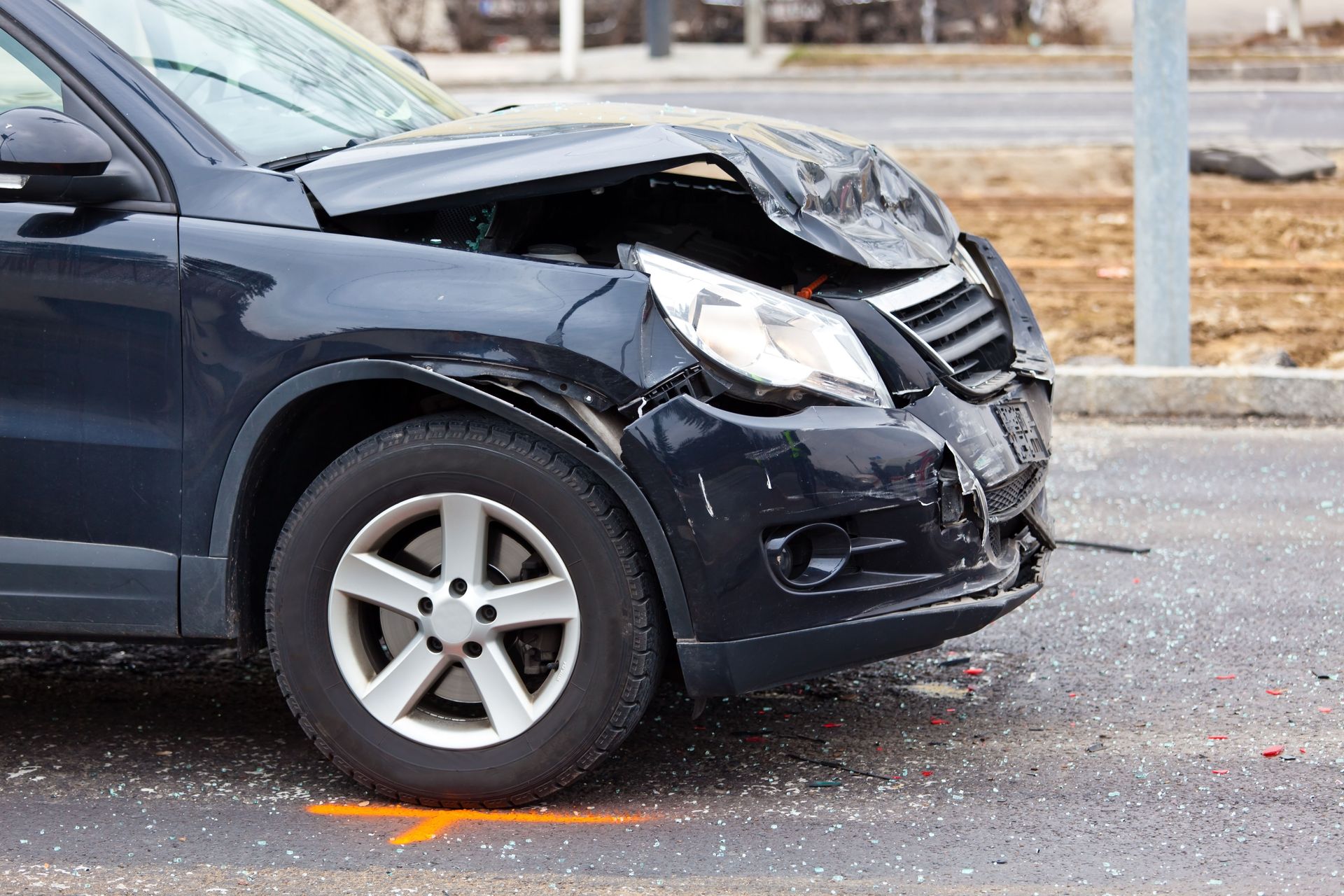
Wondering if your car is safe to drive after a crash? Learn why trusted auto body shops advise against driving after a crash and how to spot hidden hazards.

Get expert paint and body repairs from local auto shops to fix scratches, prevent rust, and protect your vehicle's appearance and value.