November 9, 2026
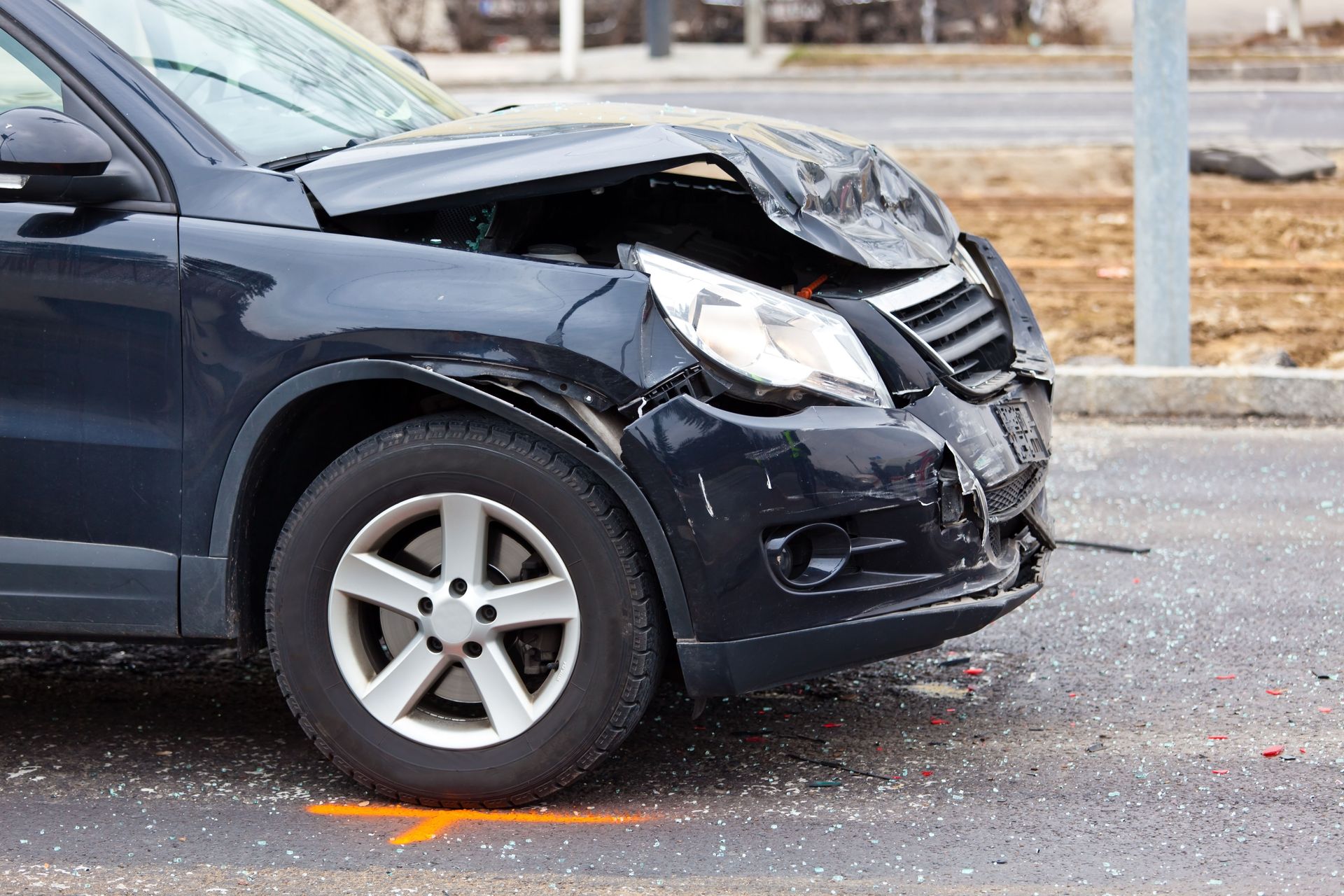
The moments following a motor vehicle collision are disorienting, stressful, and chaotic. Once the initial shock subsides, emergency personnel clear the scene, and contact information is exchanged, motorists inevitably face a practical dilemma: should you drive your vehicle away, or should you arrange for a flatbed tow truck? The immediate impulse for most commuters is to start the engine, head home, and deal with claims and estimates later in the week.
However, assuming that a vehicle is roadworthy simply because the engine turns over is a dangerous gamble. According to Progressive, U.S. law enforcement agencies document more than six million motor vehicle collisions each year, leaving millions of drivers to weigh post-crash safety decisions. While bodywork blemishes may appear superficial, modern automobiles conceal intricate structural crumple zones, complex electronics, and high-pressure fluid networks just beneath their sheet metal. Reputable auto body shops consistently advise that even an impact occurring at low velocity can compromise essential safety systems, making post-accident driving hazardous.
Evaluating Immediate Roadside Safety Signs
Before placing your vehicle in gear after an impact, you must conduct a methodical roadside assessment to determine whether the car presents an immediate driving hazard. Obvious red flags leave zero room for debate: if safety airbags have deployed, windshield glass is shattered within the driver's primary line of sight, or steam billows from under the hood, the vehicle cannot be driven under any circumstances. Equally critical is inspecting the ground beneath the chassis for pooling liquids such as red transmission fluid, green or amber coolant, amber brake fluid, or dark engine oil.
Beyond mechanical fluids, you must closely examine exterior panels, bumpers, light housings, and wheel wells. A plastic bumper fascia that seems intact while parked may detach when subjected to highway wind resistance, turning into a flying road projectile. Qualified technicians at auto body shops frequently point out that loose wheel well liners, dragging splash shields, or cracked headlight lenses are legal hazards that can suddenly jam rotating wheels or blind other drivers.
Inspecting Essential Mechanical and Operational Systems
When an automobile absorbs collision forces, the mechanical components responsible for steering, suspension, and braking bear tremendous kinetic strain. Even if an engine runs without stalling, underlying damage to tie rods, control arms, sway bars, or shock absorbers can drastically diminish your control behind the wheel. If you attempt to roll the car forward a few feet and observe significant pulling to one side, an off-center steering wheel, or a spongy brake pedal, the vehicle is unsafe to operate.
Driving with altered alignment causes rapid, uneven tire wear and can lead to a catastrophic high-speed blowout. Furthermore, puncturing a cooling line or pinching an oil passage during a fender bender might not stall the car immediately, but continuous driving will quickly cause severe engine overheating. Technicians at local auto body shops routinely encounter total engine seizure caused by motorists attempting to drive a slightly leaking car just a few miles home, turning an easily repairable claim into a catastrophic financial loss.
Uncovering Concealed Frame and Structural Hazards
Contemporary vehicles rely on unibody architecture engineered with sacrificial crumple zones designed to absorb and redistribute impact energy away from passenger compartments. Consequently, an exterior plastic bumper cover can rebound to its initial shape while the underlying impact absorption bar, radiator core support, or structural frame rails remain severely crushed. Uneven body panel gaps, doors that rub against fenders when opened, or trunk lids that stick and refuse to latch securely serve as classic indicators of underlying frame deformation.
When frame rails are bent or twisted out of factory alignment, the vehicle's entire structural integrity is severely diminished. In the event of a secondary collision, a previously buckled unibody cannot absorb subsequent impact forces as engineered, leaving passengers vulnerable to extreme injury. High-end auto body shops utilize computerized three-dimensional measuring benches to reveal severe chassis displacement that cannot be detected by the naked human eye.
Assessing Sensitive Driver-Assistance Sensors and Electronics
Modern cars rely heavily on Advanced Driver-Assistance Systems (ADAS) to protect motorists through lane departure prevention, adaptive cruise control, pedestrian detection, and automatic emergency braking. These life-saving features depend on a sensitive network of ultrasonic radar sensors, forward-facing cameras, and LiDAR transceivers embedded directly into bumper covers, grilles, side mirrors, and windshields. A parking-lot tap at less than ten miles per hour can alter sensor angles by mere fractions of a millimeter.
When mounting brackets bend, safety computers receive distorted distance calculations, which can result in unexpected phantom braking at highway speeds or a total failure of automatic collision avoidance when an obstacle appears. Specialized auto body shops possess the dedicated digital diagnostic targets and calibration bays necessary to realign these complex guidance arrays, ensuring that your onboard safety electronics respond correctly before you rejoin traffic.
Understanding the Legal and Insurance Repercussions
Operating an accident-damaged car on public roads does not merely jeopardize physical safety; it introduces substantial financial, insurance, and legal vulnerabilities. Most standard auto insurance policies include explicit policyholder provisions regarding the duty to prevent subsequent damage following an insured loss. If you choose to drive a car with a cracked radiator and the engine block subsequently cracks due to rapid coolant starvation, your insurer can legally deny coverage for the resulting powertrain replacement.
From a legal standpoint, state transportation codes require all moving vehicles to maintain operational headlights, turn signals, mirrors, and secure hoods. Driving a car with sharp, jagged metal protruding from fenders or broken indicator lights exposes you to traffic citations and civil liability if loose vehicle parts cause a chain-reaction crash. Experienced adjusters and trusted auto body shops always recommend flatbed towing directly from the accident scene to establish an unbroken chain of custody, streamline claim approvals, and preserve full coverage.
Prioritizing Diagnostic Inspections Over Assumptions
The only definitive way to determine whether a vehicle remains safe for daily driving is through a comprehensive professional teardown and digital scanning procedure. Modern vehicle diagnostics extend far beyond visual inspections; they require electronic pre-repair scans to interrogate onboard control modules for diagnostic trouble codes (DTCs). Many collision-induced computer faults do not illuminate a check engine or warning lamp on your dashboard, hiding critical safety errors within airbag controllers, antilock braking modules, and suspension actuators.
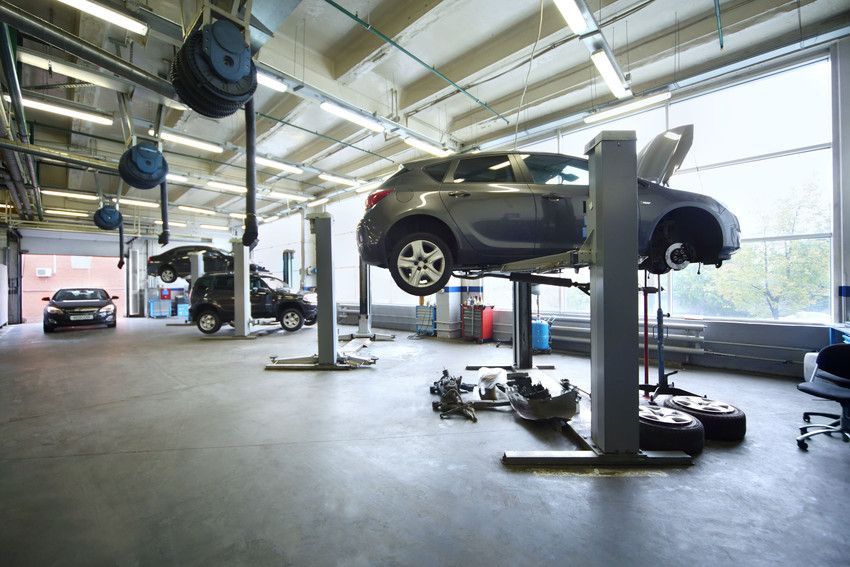
A professional teardown reveals hidden hairline cracks in suspension knuckles, damaged steering racks, and crushed inner impact reinforcements. Dedicated auto body shops provide comprehensive, multi-point digital diagnostic evaluations and structural assessments that restore every component back to precise original equipment manufacturer (OEM) standards, removing all dangerous guesswork from vehicle ownership.
Experiencing a vehicle collision is always frustrating, but attempting to drive an unverified vehicle home or to work introduces unnecessary danger to your passengers, yourself, and everyone sharing the road. While external body panels may conceal the extent of the damage, structural shifts, hidden fluid loss, and misaligned safety sensors create severe road hazards. Choosing professional evaluation at reputable
auto body shops ensures your vehicle is thoroughly inspected, properly repaired, and verified for roadworthiness.
Were you recently involved in an accident and wondering whether your vehicle is truly safe to drive? Contact the experienced collision repair team at Zook's Earl Scheib Inc Autobody and Paint today to schedule a comprehensive post-accident safety inspection and diagnostic scan. Call our repair specialists or visit our website to request an estimate and get back behind the wheel with complete peace of mind.